

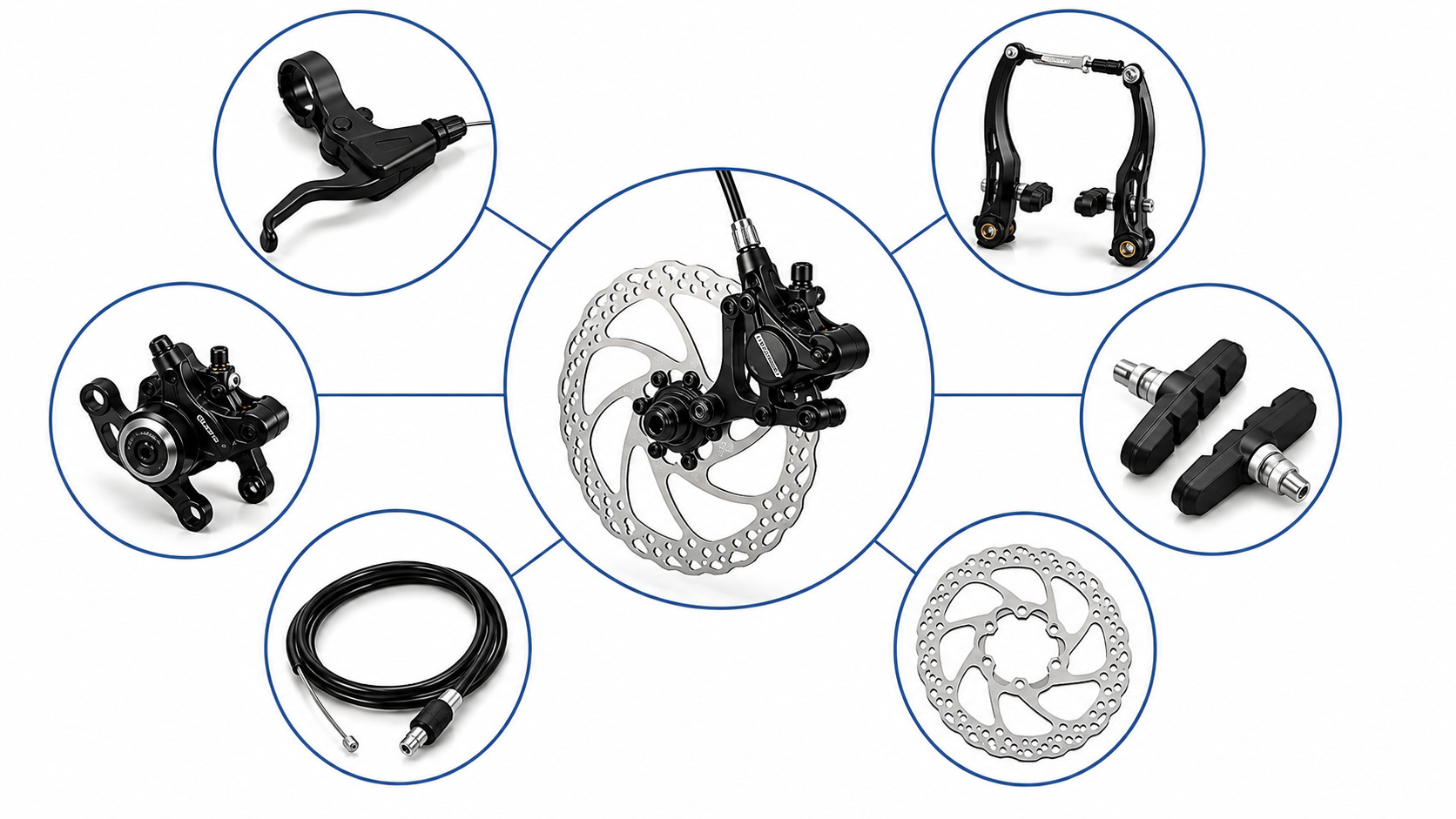
Braking performance is essential for every cyclist, directly impacting safety, control, and riding comfort. Whether you commute through city streets, ride on mountain trails, or enjoy weekend cycling, choosing the right bicycle brakes manufacturer in India system ensures reliable stopping power and greater confidence in all riding conditions. The ideal brake depends on your riding style, terrain, and maintenance needs rather than simply selecting the most powerful option. S.K. Aggarwal & Co. believes in manufacturing premium-quality bicycle brake systems using high-grade materials and precision engineering. Our commitment to superior manufacturing standards ensures durable, dependable, and high-performance braking solutions for every type of rider.
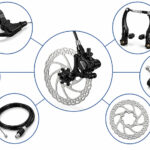
Understanding Bicycle Brake Parts
Every bicycle braking system consists of several components that work together to provide smooth and controlled stopping power.
1. Brake Lever
The brake lever is the rider’s control point, mounted on the handlebars. When squeezed, it transfers force through the brake cable or hydraulic system to activate the brakes.
A quality brake lever should offer:
- Comfortable grip
- Smooth operation
- Quick response
- Better braking control
An ergonomically designed brake lever reduces hand fatigue while improving braking precision.
2. Brake Cable or Hydraulic Line
Mechanical braking systems use brake cables, while hydraulic systems use hydraulic fluid to transfer braking force.
High-quality cables or hydraulic lines provide:
- Faster brake response
- Smooth operation
- Improved durability
- Lower maintenance requirements
3. Brake Arms or Calipers
Brake arms or calipers apply pressure to the brake pads, creating the force needed to stop the bicycle.
Their main functions include:
- Holding the brake pads securely
- Applying balanced pressure
- Maintaining proper wheel alignment
- Delivering consistent braking performance
4. Brake Pads
Brake pads create friction against the wheel rim or disc rotor to slow down or stop the bicycle.
Premium-quality brake pads offer:
- Better grip
- Shorter stopping distance
- Reduced noise
- Longer service life
- Reliable performance in wet conditions
5. Springs and Adjustment Screws
These essential components help the brake arms return to their original position after braking while maintaining proper brake alignment and smooth operation.
Selecting the right braking system depends on how and where you ride
Daily City Commuting
Urban riders frequently deal with traffic, signals, and sudden stops.
Recommended Brake: V-Brakes
Benefits include:
- Reliable everyday performance
- Easy maintenance
- Affordable replacement parts
- Excellent braking on paved roads
Mountain Biking
Mountain trails require powerful and dependable braking due to steep slopes, rocks, and muddy surfaces.
Recommended Brake: Hydraulic Disc Brakes
Advantages include:
- Exceptional stopping power
- Better control on rough terrain
- Reliable performance in wet conditions
- Reduced hand fatigue
Road Cycling
Road cyclists prioritize speed, lightweight components, and efficient braking.
Recommended Brake: Caliper Brakes
They provide:
- Lightweight construction
- Smooth braking
- Aerodynamic design
- Excellent control on paved roads
Long-Distance Touring
Touring cyclists often ride across different terrains while carrying extra luggage.
Recommended Brakes:
- Mechanical Disc Brakes
- Premium V-Brakes
These systems offer dependable braking performance while remaining easy to maintain during long rides.
Children’s and Recreational Bicycles
Safety and simplicity are important for young and beginner riders.
Recommended Brakes:
- V-Brakes
- Cantilever Brakes
These braking systems are easy to use, require minimal maintenance, and provide dependable stopping power.
How to Maintain Bicycle Brakes for Maximum Performance
Even the best bicycle brakes require regular maintenance for safe and reliable operation.
Inspect Brake Pads Regularly
Replace brake pads if they show excessive wear, cracks, or reduced braking efficiency to maintain safe stopping performance.
Keep Brake Components Clean
Clean brake pads, rims, calipers, and disc rotors regularly to remove dust, dirt, grease, and mud that can reduce braking efficiency.
Check Brake Cable Tension
Inspect brake cables for rust, fraying, or loose adjustment. Proper cable tension ensures quick and consistent brake response.
Lubricate Moving Parts
Apply lubricant only to brake pivots and moving joints. Never lubricate brake pads, rims, or disc rotors, as this can reduce braking effectiveness.
Tighten Brake Hardware
Regularly inspect and tighten brake arm bolts, cable anchors, and lever clamps to maintain proper alignment and safety.
Test Brakes Before Every Ride
Before riding, squeeze both brake levers, ensure smooth engagement, and confirm the bicycle stops evenly without unusual noises.
Conclusion
Choosing the best bicycle brakes requires understanding your riding style and selecting quality brake components that deliver reliable stopping power. Whether you ride through city streets, mountain trails, highways, or recreational paths, the right braking system significantly improves safety, control, and riding confidence.
S.K. Aggarwal & Co. is committed to manufacturing premium-quality bicycle brake parts using superior materials and precision engineering. While some brands compromise on quality by using inferior materials and inconsistent manufacturing processes, S.K. Aggarwal & Co. believes in delivering products that meet the highest standards of performance, durability, and safety. Choosing the best bicycle brake parts helps improve braking performance, enhance rider safety, and ensure long-lasting reliability for every ride.